
 English
 Deutsch
 Español
 中文简体
中文简体


If you need any help, please feel free to contact us
Diaphragm White Oil Extractant: Product Definition and Industrial Context Diaphragm white oil extractant is a specialized solvent or extractant medium used in ...
READ MORE

Ldet Technology focuses on the research, development, production and sales of ionic liquids and additives for flexible electronic products

No. 892, Changhong East Street, Fuxi Street, Deqing County, Huzhou City, Zhejiang Province, China
Diaphragm White Oil Extractant: Product Definition and Industrial Context Diaphragm white oil extractant is a specialized solvent or extractant medium used in ...
READ MOREHow Static Builds Up — and Why It Must Be Controlled Static electricity forms whenever two surfaces make and break contact, transferring electrons through the ...
READ MOREIonic liquids (ILs) are salts composed entirely of ions that are liquid at or near room temperature — typically defined as melting below 100°C, with many remai...
READ MOREWhy Electrolyte Chemistry Is the Defining Variable in Modern Energy Storage The electrolyte is the one component that touches everything in an electrochemical ...
READ MORERevolutionizing Gas Separation with Polymeric Ionic Liquids: The Future of CO₂Capture
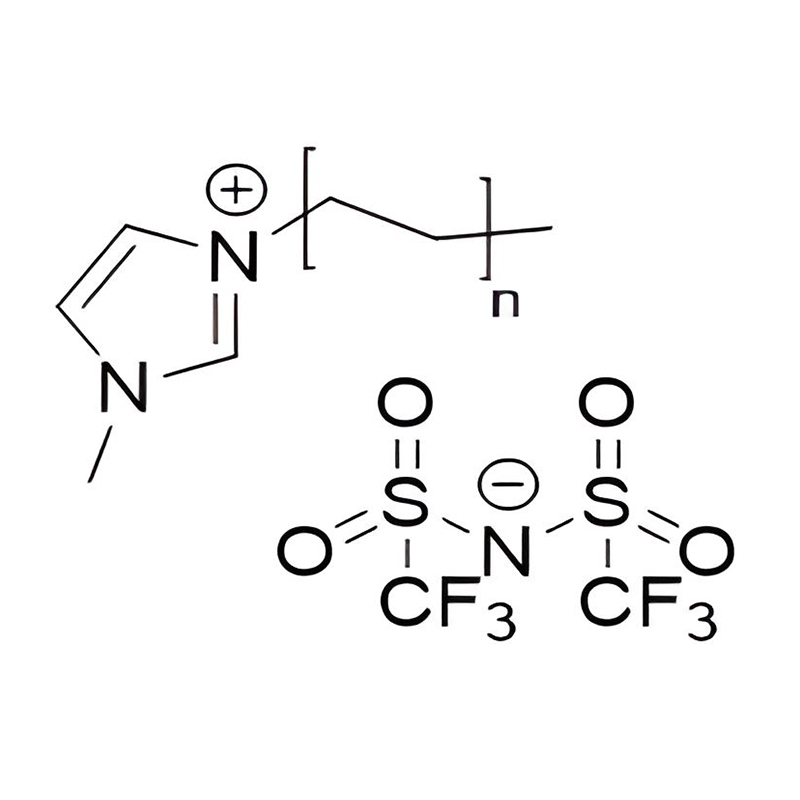
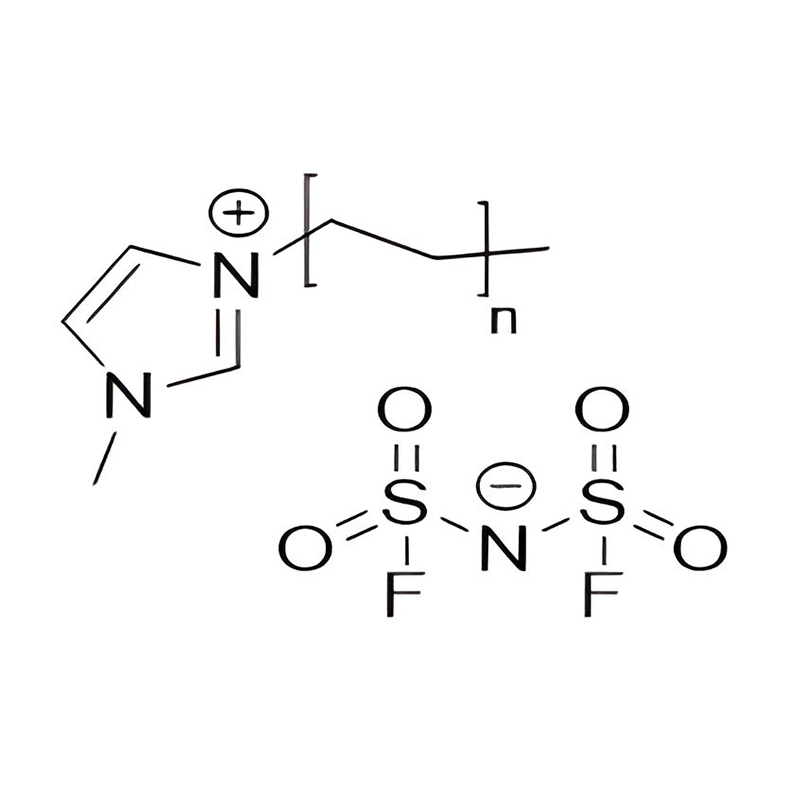
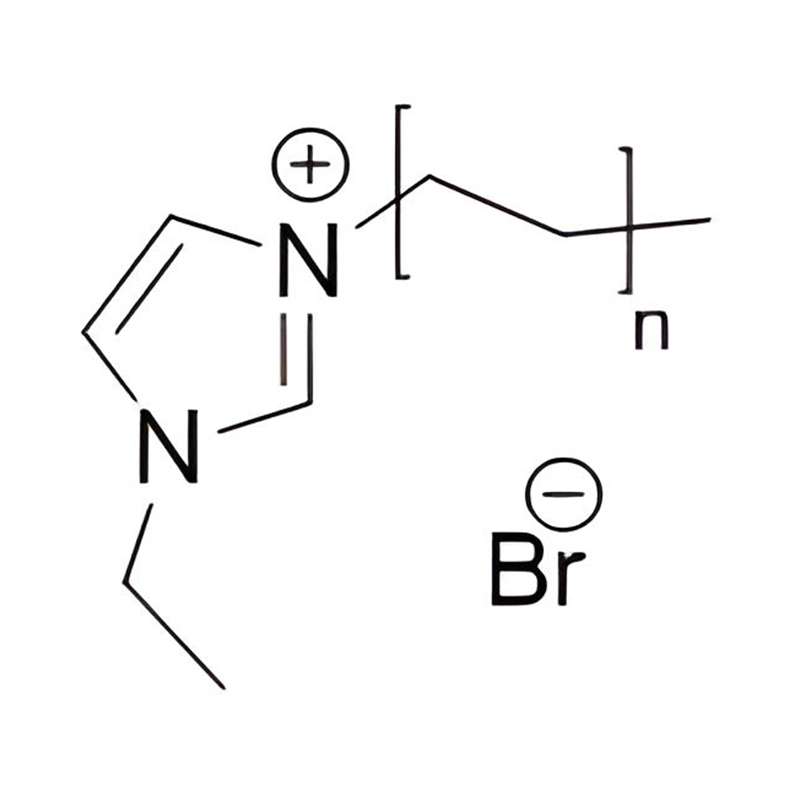
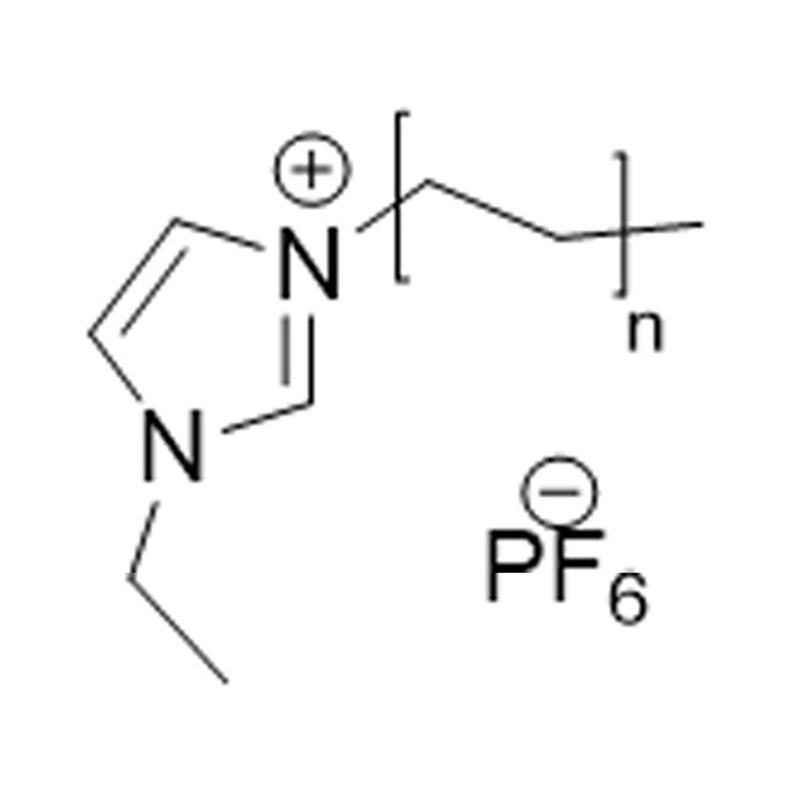
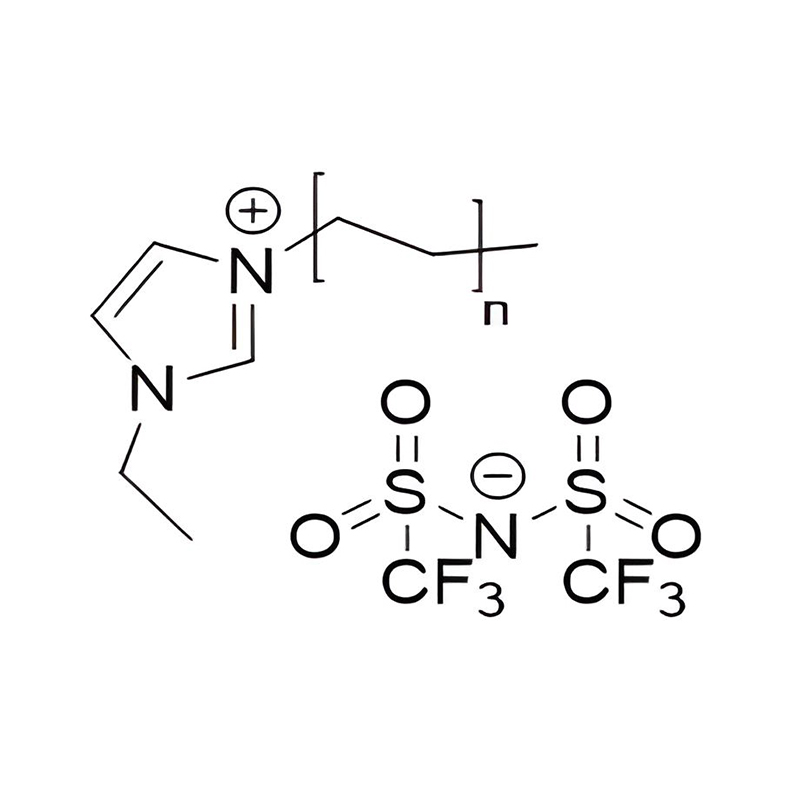
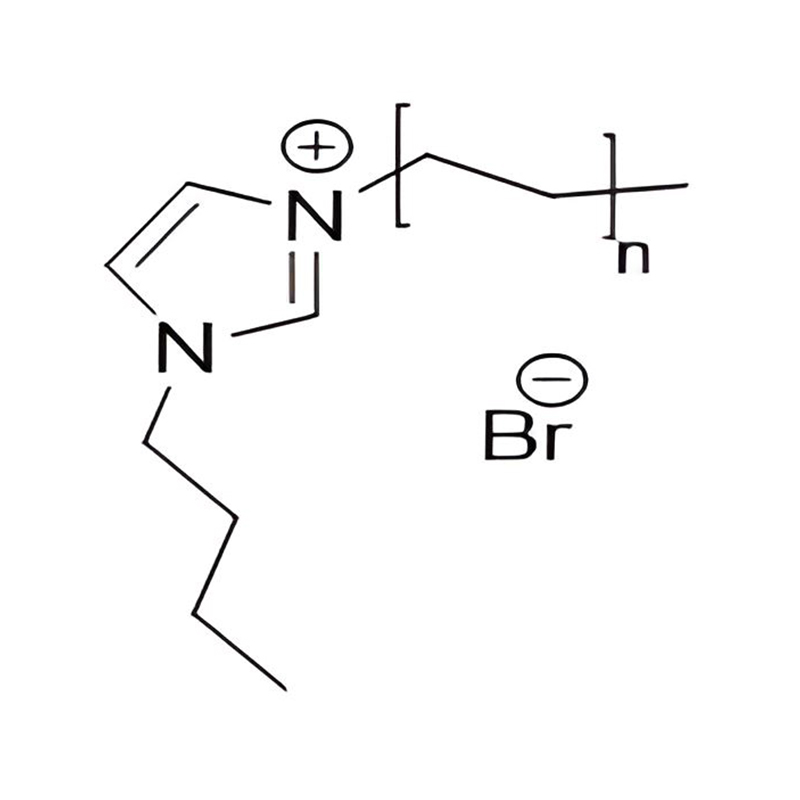
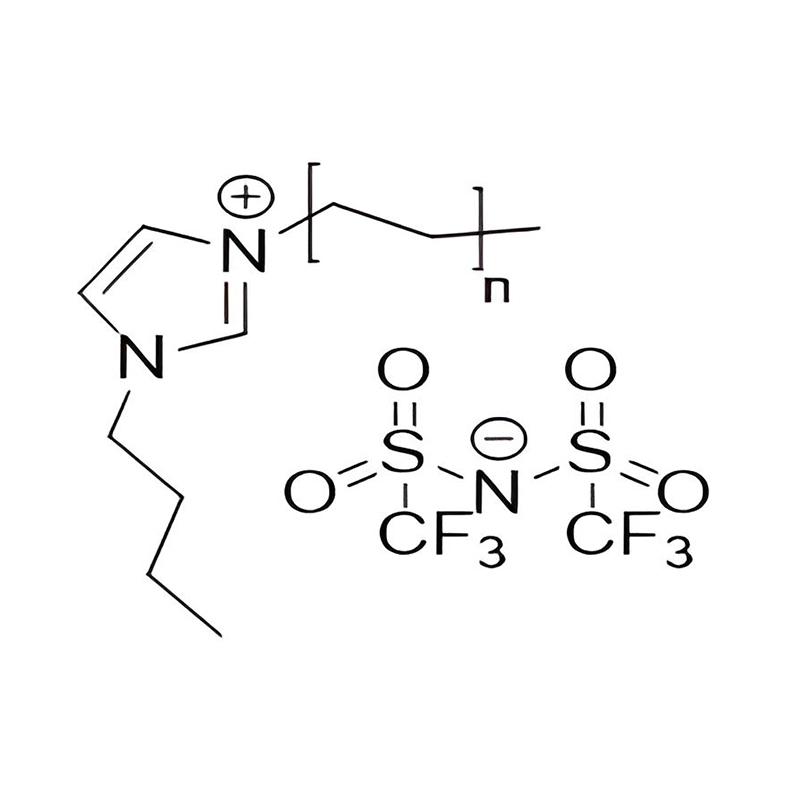
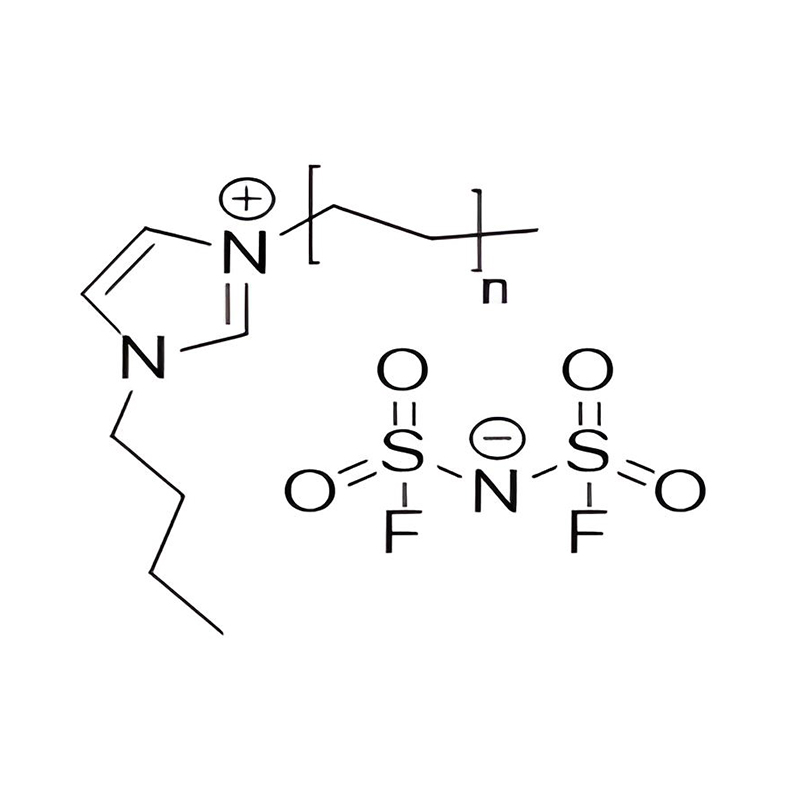
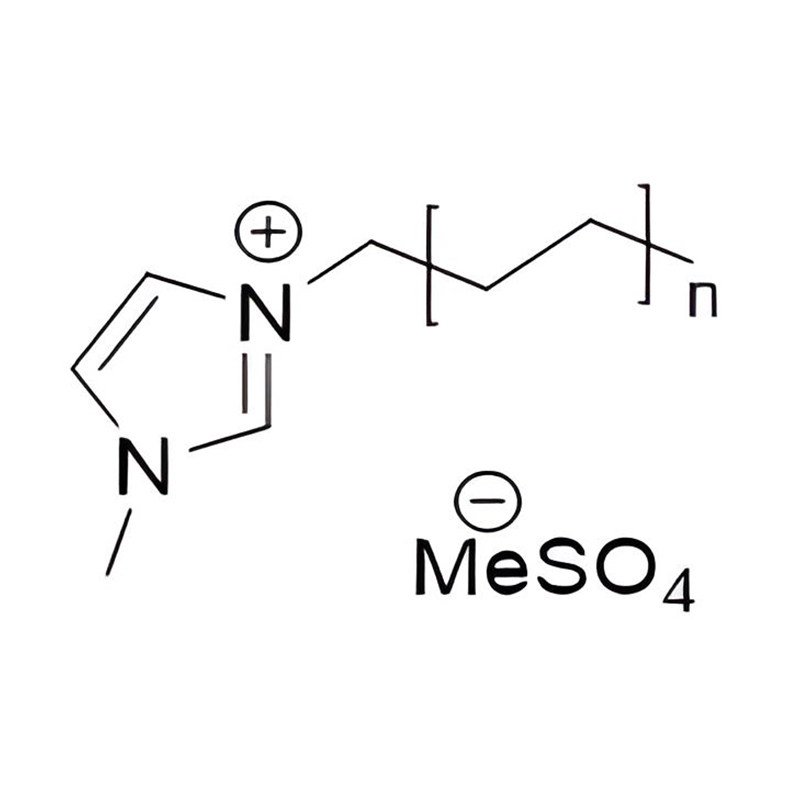
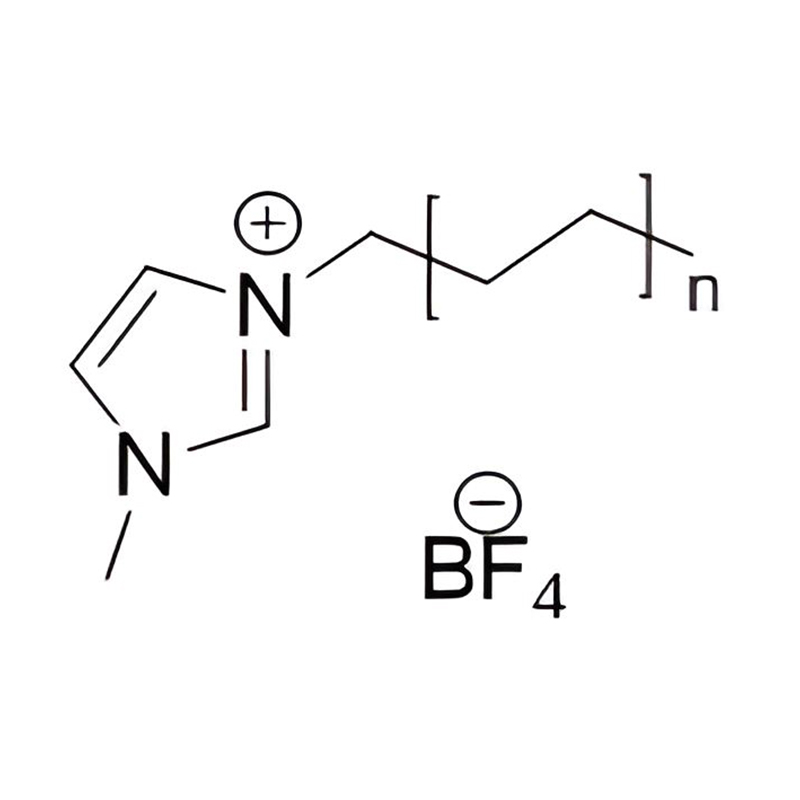
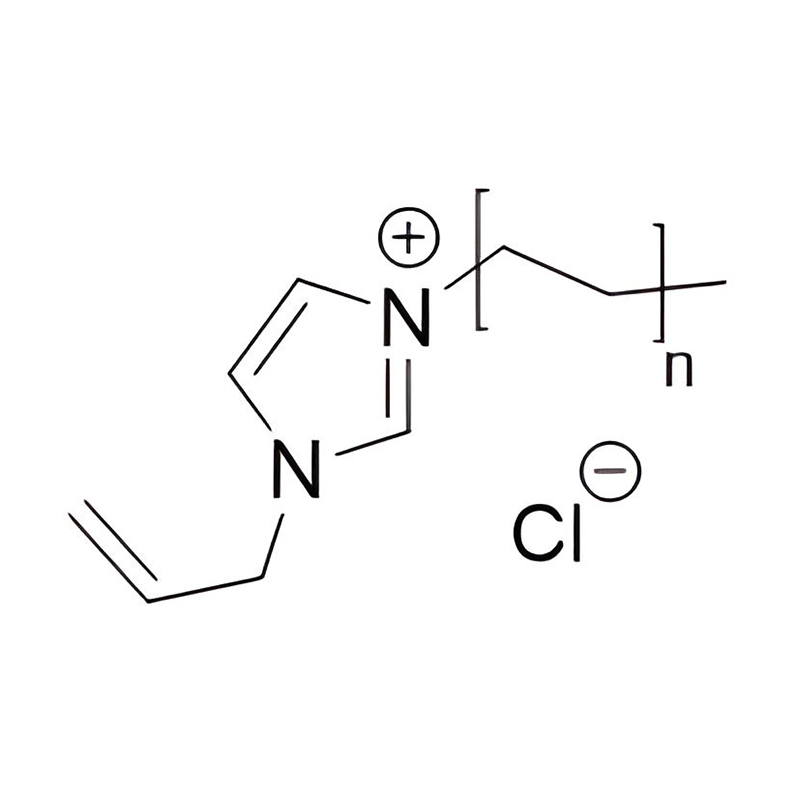
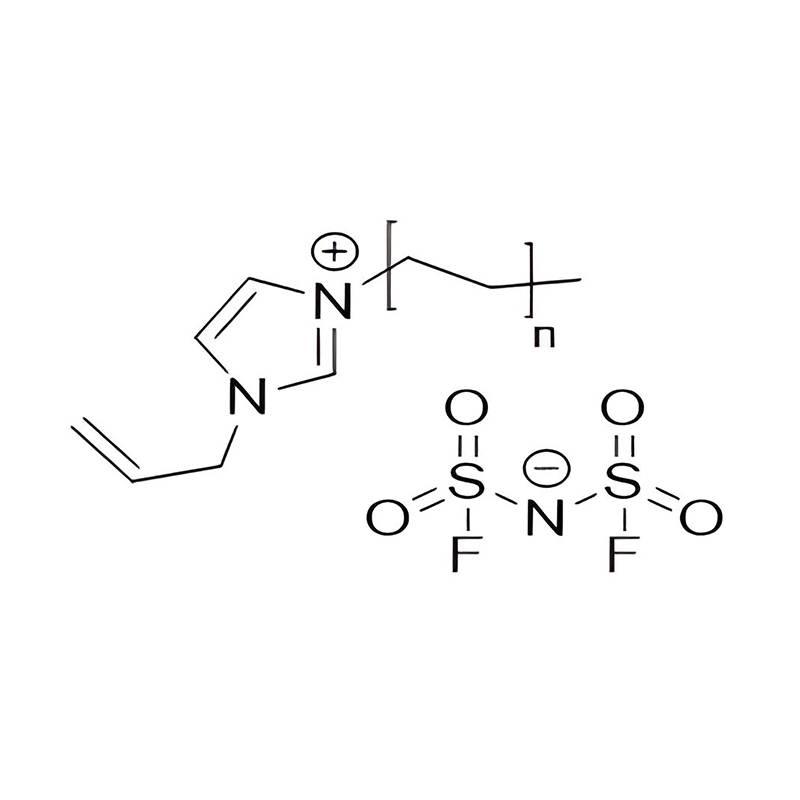
We've been at the forefront of ionic liquid innovation since 2009, pioneering advanced solutions for industries ranging from green pharmaceuticals to lithium battery technology. Among our most promising materials are Polymeric Ionic Liquids (PILs)—a revolutionary class of polymers that are redefining gas separation and environmental sustainability. With applications in CO₂ capture and industrial gas purification, these materials are driving efficiency and sustainability in ways traditional membranes simply cannot match.
Gas separation has long been a challenge across multiple industries, especially in processes requiring high selectivity and efficiency, such as carbon capture and purification of industrial gases. Traditional separation technologies often rely on energy-intensive methods like cryogenic distillation and pressure swing adsorption, which, while effective, come with high operational costs and environmental impact. Enter polymeric ionic liquid membranes, which combine the high ionic conductivity of ionic liquids with the mechanical stability of polymeric structures, offering an innovative alternative with superior selectivity and long-term performance.
Why Polymeric Ionic Liquids Are Transforming CO₂ Capture
Carbon capture and storage (CCS) is one of the most critical strategies for mitigating industrial CO₂ emissions. Traditional membranes often suffer from trade-offs between permeability and selectivity, but PIL-based membranes overcome these limitations through a unique combination of tunable chemical structures and enhanced gas transport properties. By modifying the cation-anion pairs within PILs, we can precisely control interactions with CO₂ molecules, leading to membranes that offer higher selectivity, better chemical resistance, and improved long-term stability.
At Ldet Technology, our expertise in PIL synthesis has enabled us to create membranes that not only enhance CO₂ permeability but also withstand harsh industrial conditions. Whether applied in post-combustion capture for coal-fired power plants or in natural gas purification processes, these membranes deliver energy-efficient and cost-effective solutions that align with global sustainability goals.
Beyond CO₂: PIL Membranes in Industrial Gas Purification
While CO₂ capture remains a major focus, polymeric ionic liquid membranes are also proving invaluable in other gas separation applications. The ability of PILs to be engineered for specific gas affinities makes them ideal for separating oxygen from nitrogen, hydrogen purification, and the removal of volatile organic compounds (VOCs) from industrial emissions. Their high thermal and chemical stability ensures that they maintain efficiency even under extreme operating conditions, making them a game-changer for industries ranging from petrochemicals to semiconductor manufacturing.
Scaling Up: Industrial Applications and Future Potential
One of the biggest challenges in advanced material development is scaling from lab research to industrial deployment. At Ldet Technology, we bridge this gap through a combination of cutting-edge R&D, precision manufacturing, and a deep understanding of industrial applications. Our PIL-based membranes are currently being tested for large-scale implementation in CO₂ sequestration projects, as well as for enhanced white oil extraction and advanced PET degradation catalysts, further pushing the boundaries of their utility.
Looking ahead, we see polymeric ionic liquids playing a pivotal role in next-generation energy solutions, particularly in solid-state electrolytes for lithium batteries and low-temperature electrolytic aluminum processing. As global industries seek greener and more efficient materials, our expertise in PIL production positions us at the center of this technological revolution.
Conclusion
With mounting pressure on industries to reduce carbon footprints and adopt sustainable practices, Polymeric Ionic Liquids are emerging as a critical tool for cleaner, more efficient gas separation. From CO₂ capture to hydrogen purification, these advanced materials are paving the way for a new era of industrial efficiency and environmental responsibility. At Ldet Technology, we are committed to pushing the boundaries of what’s possible, delivering cutting-edge solutions that redefine the future of ionic liquid applications.
As we continue expanding the industrial applications of PILs, we invite partners across energy, petrochemicals, and manufacturing to explore the transformative potential of these materials. Together, we can create a cleaner, more sustainable future—one innovation at a time.
 LanDe Technology focuses on
 Contact
Phone: +86-18857986217 Email: [email protected] Adress: No. 892, Changhong East Street, Fuxi Street, Deqing County, Huzhou City, Zhejiang Province, China Copyright © Zhejiang LanDe Energy Technology Development Co., Ltd. All
Rights
Reserved
 Polymeric Ionic Liquids Factory